
November in Moscow is extremely depressive. The days are short and the landscape is permanently hopeless. So, to entertain myself over the past month I have been reviewing and interpreting currently available scientific data on an exciting technology of clear aligners. I have been publishing small bits of text on my Telegram channel on a weekly basis. Today, I decided to summarise all the information that I collected in one blog post. Here it is…
Introduction
Clear aligners are removable orthodontic appliances made of transparent plastic. Before the 2000s, these appliances were mostly used to retain the final result of orthodontic treatment and were called ‘retainers’. Despite the fact that orthodontists of the past had been producing minor tooth movements with removable retainers over the entire 20th century, only in the late 1990s computer modelling technology made it possible to establish this process on an industrial scale. This was exactly when advertisers came up with the term ‘aligners’ and started actively promoting the novel treatment modality. The first clear aligner company was established in 1997 by a 26-year-old graduate of the business school of Stanford University, Zia Chishti.
The promotion of clear aligners on the market was successful mainly due to the patients’ desire to get a more aesthetic alternative to traditional fixed appliances. However no studies on the effectiveness of this new technology had been done before the implementation of clear aligners into the everyday clinical practice. For a long time, the only source on which the orthodontists were relying upon was computer-generated animations of expected tooth movements. As it turned out after the publication of the first studies, in real life the teeth did not move as good, as on the computer screen…
Effectiveness of clear aligners
Today, we know that there are certain tooth movements which can be produced with clear aligners relatively easily and effectively, and other tooth movements which present a real challenge for clear aligner therapy. For instance, clear aligners have the best success rate delivering tipping movements with a mean accuracy of 80%, and the worst success rate producing extrusion, intrusion, and rotation movements with only about 30% of accuracy. [1,2]
A recent prospective study published in the AJO-DO three years ago demonstrated that clear aligner therapy is capable of producing only 50% of all initially planned tooth movements. [2]
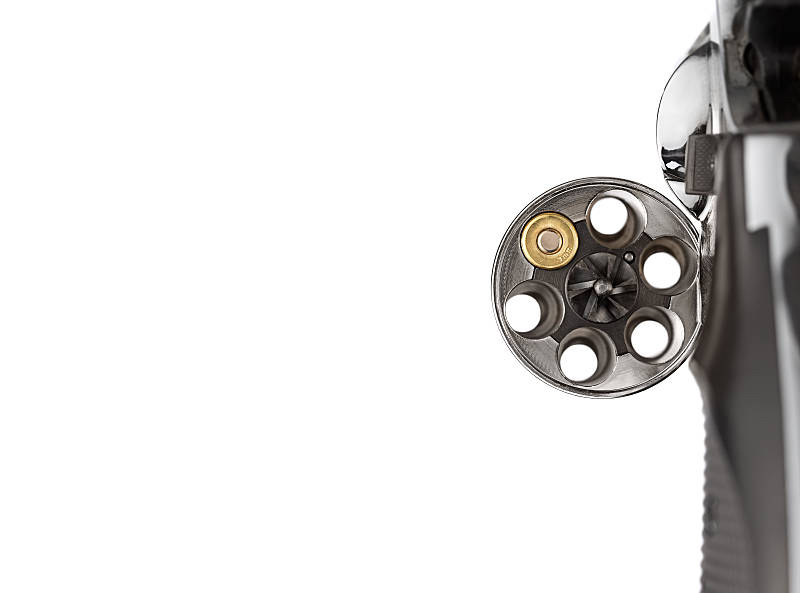
Such modest capabilities are among the reasons why some patients may need to switch from clear aligners to fixed appliances to finish treatment. An interesting study published in the AJO-DO this year with a huge sample of 500 patients showed that every one in six aligner patients needed to switch to braces to reach the required treatment goals. [3] Ironically, the failure rate is precisely the same as in Russian Roulette game.
The authors of the article wrote that aligner patients “should have a reasonable expectation that braces may also be needed”.
Indeed, currently available evidence suggests that traditional fixed appliances ensure more predictable tooth movements and, therefore, provide better results. A comprehensive systematic review published in the EJO three years ago assessed treatment outcomes produced by clear aligners and traditional fixed appliances. [4] The review included 11 randomized trials and matched non-randomized studies with a total number of 887 patients. The outcomes were assessed using the PAR index and the ABO’s Objective Grading System.
The authors concluded:
“It seems that orthodontic treatment with aligners is associated with worse treatment outcomes compared to fixed appliances.”
Increased muscle activity and the risk of bruxism
An important issue that recently started to draw attention of researchers is the influence of clear aligner therapy on masticating muscle activity. Several studies have shown that patients undergoing clear aligner therapy have increased frequency of wake-time tooth clenching episodes, report jaw muscle tenderness, and produce wear facets on their aligners. [5,6]
An interesting study on this topic was published in the AJO-DO two years ago. The authors evaluated the activity of the masseter muscles in 17 aligner patients using electromyography. [7]
They found that the electromyographic activity of the masseter muscles increased in all of the patients with treatment. The authors explained this phenomena saying that aligner patients may develop a habit of clenching on aligners which increases blood flow through the compressed areas of the periodontal ligament and brings pain relief as a result. This is contrary to patients with traditional fixed appliances who tend to avoid tooth contact to reduce discomfort associated with tooth movement.
The authors also found a positive correlation between the level of anxiety and an increase in electromyographic activity. Unfortunately, the authors followed up the patients only over the first four weeks of treatment. As a result, we currently do not know, if this initial increase in muscle activity could potentially lead to the development of chronic bruxism.
Nevertheless, I think we can positively conclude that clear aligner therapy should be avoided in patients with high anxiety levels and initially present symptoms of bruxism.
Microplastics and the risk of cancer
Another concerning but currently scarcely researched side of clear aligners is their property to release microplastics. As all plastic products under the influence of mechanical forces, clear aligners are subjected to degradation. This leads to the release of tiny particles of plastic into the saliva.
The first piece of research on this topic was published this year in the journal titled ‘Science of the Total Environment’. [8]
Clear aligners from seven different brands were placed in the artificial saliva and subjected to mechanical stress that simulated the physiological friction of the teeth.
The authors found that clear aligners of all brands released particles of plastic. The number of the particles varied from 6 to 18 per 20 mm³ of saliva, depending on the brand. But the mean size of the particles was the same among all the brands – from 5 to 20 μm.
The authors wrote that particles larger than 20 μm are usually excreted from the body through the gastrointestinal tract, but can thereby cause irritation of the gastrointestinal mucosa and intestinal dysbiosis. [9] The authors also noted that particles smaller than 5 μm can penetrate cell membranes. [10,11,12]
The authors concluded:
“This evidence could represent a great concern since it could impact the human general health.”
To date, the effects of microplastics on the human body have not been thoroughly researched. There are several articles assessing the potential role of microplastics in the development of cancer. [13,14] One such article was published this year in the oncology journal Cancers. The paper has an alarming title: “Could Microplastics Be a Driver for Early Onset Colorectal Cancer?” [15]
The authors describe the effects of microplastics on the intestinal mucosa and the potential subsequent mechanism of cancer development. They conclude that although the described link between plastic exposure and cancer is possible, it has not yet been confirmed by solid scientific evidence.
What do I know about clear aligners?
I think that, after all, clear aligner therapy is a great technology. But as any technology, it has its limitations.
According to the current evidence, clear aligners are well-suited for simple cases where mostly tipping movements are required. We should not prescribe clear aligners to patients with high anxiety levels or bruxism. I will also try to avoid prolonged treatments with clear aligners until the publication of further studies on the effects of microplastics on the human body.
I think that careful patient selection is the key for successful clear aligner therapy. We have to be very discriminate in prescribing clear aligners, otherwise we may turn our treatment into Russian Roulette.
References:
1. Rossini G, Parrini S, Castroflorio T, Deregibus A, Debernardi CL. Efficacy of clear aligners in controlling orthodontic tooth movement: a systematic review. Angle Orthod. 2015 Sep;85(5):881-9.
2. Haouili N, Kravitz ND, Vaid NR, Ferguson DJ, Makki L. Has Invisalign improved? A prospective follow-up study on the efficacy of tooth movement with Invisalign. Am J Orthod Dentofacial Orthop. 2020 Sep;158(3):420-425.
3. Kravitz ND, Dalloul B, Zaid YA, Shah C, Vaid NR. What percentage of patients switch from Invisalign to braces? A retrospective study evaluating the conversion rate, number of refinement scans, and length of treatment. Am J Orthod Dentofacial Orthop. 2023 Apr;163(4):526-530.
4. Papageorgiou SN, Koletsi D, Iliadi A, Peltomaki T, Eliades T. Treatment outcome with orthodontic aligners and fixed appliances: a systematic review with meta-analyses. Eur J Orthod. 2020 Jun 23;42(3):331-343.
5. Brien J. Effets du port continu de coquilles correctrices Invisalign sur l’articulation temporo-mandibulaire et les muscles du complexe facial Medecine dentaire [dissertation]. Montreal (France): University of Montreal; 2015. p. 142.
6. Schupp W, Haubrich J, Neumann I. Invisalign treatment of patients with craniomandibular disorders. Int Orthod 2010;8: 253-67.
7. Lou T, Tran J, Castroflorio T, Tassi A, Cioffi I. Evaluation of masticatory muscle response to clear aligner therapy using ambulatory electromyographic recording. Am J Orthod Dentofacial Orthop. 2021 Jan;159(1):e25-e33.
8. Quinzi V, Orilisi G, Vitiello F, Notarstefano V, Marzo G, Orsini G. A spectroscopic study on orthodontic aligners: First evidence of secondary microplastic detachment after seven days of artificial saliva exposure. Sci Total Environ. 2023 Mar 25;866:161356.
9. Tamargo A, Molinero N, Reinosa JJ, Alcolea-Rodriguez V, Portela R, Bañares MA, Fernández JF, Moreno-Arribas MV. PET microplastics affect human gut microbiota communities during simulated gastrointestinal digestion, first evidence of plausible polymer biodegradation during human digestion. Sci Rep. 2022 Jan 11;12(1):528.
10. Kettiger H, Schipanski A, Wick P, Huwyler J. Engineered nanomaterial uptake and tissue distribution: from cell to organism. Int J Nanomedicine. 2013;8:3255-69.
11. Triebskorn et al., Relevance of nano- and microplastics for freshwater ecosystems: A critical review, Trends in Analytical Chemistry, Volume 110, 2019
12. Yang X, Man YB, Wong MH, Owen RB, Chow KL. Environmental health impacts of microplastics exposure on structural organization levels in the human body. Sci Total Environ. 2022 Jun 15;825:154025.
13. Baj J, Dring JC, Czeczelewski M, Kozyra P, Forma A, Flieger J, Kowalska B, Buszewicz G, Teresiński G. Derivatives of Plastics as Potential Carcinogenic Factors: The Current State of Knowledge. Cancers (Basel). 2022 Sep 24;14(19):4637.
14. Domenech J, Annangi B, Marcos R, Hernández A, Catalán J. Insights into the potential carcinogenicity of micro- and nano-plastics. Mutat Res Rev Mutat Res. 2023 Jan-Jun;791:108453.
15. Li S, Keenan JI, Shaw IC, Frizelle FA. Could Microplastics Be a Driver for Early Onset Colorectal Cancer? Cancers (Basel). 2023 Jun 24;15(13):3323.
 Orthodontic Grammar